IP Audio Intercom: The Complete Guide for Modern Business Communication
In today’s connected world, IP Audio Intercom systems are transforming the way organizations communicate and manage security. From offices and factories to hospitals, schools, and residential complexes, businesses require fast, reliable, and scalable communication solutions that go beyond traditional analog intercoms. By leveraging IP networks, these modern systems provide crystal-clear audio, centralized management, and seamless integration with existing communication infrastructure, making them an essential part of today’s digital workplaces.
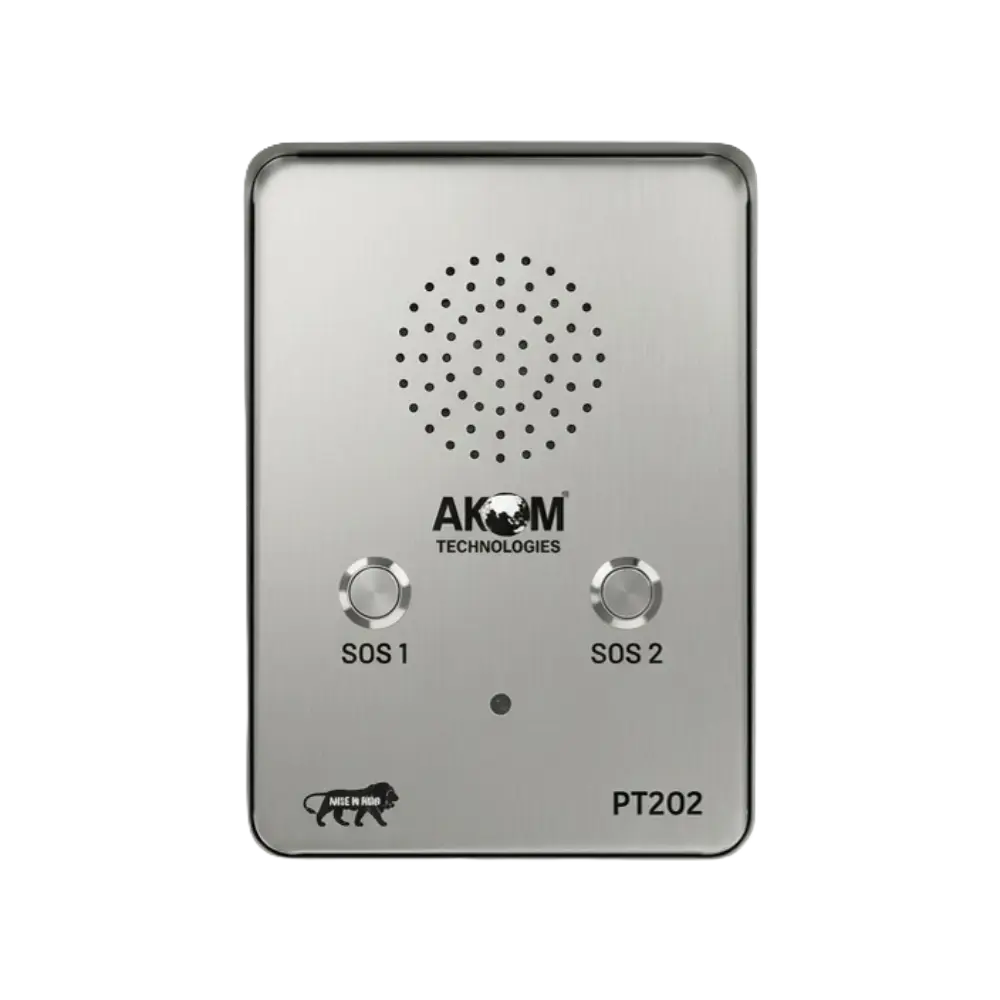
Understanding IP Audio Intercom Technology
An IP Audio Intercom is a communication device that transmits voice over an Internet Protocol (IP) network instead of conventional analog wiring. It enables real-time conversations between different locations while supporting remote access, centralized administration, and integration with VoIP platforms.
Unlike legacy systems, IP-based intercoms can be deployed across multiple buildings and campuses without requiring extensive dedicated cabling. This flexibility makes them suitable for organizations planning future expansion.
Why Businesses Are Adopting IP Audio Intercom Systems
Modern enterprises demand communication systems that are efficient, scalable, and easy to manage. IP Audio Intercom solutions meet these expectations by providing reliable voice communication while supporting advanced security and operational requirements.
Key reasons for adoption include:
- Improved internal communication
- Enhanced visitor management
- Faster emergency response
- Lower infrastructure costs
- Simplified maintenance and upgrades
- Easy integration with IP-based communication systems
Key Features
High-Definition Voice Quality
Digital transmission delivers clear and consistent audio, helping users communicate effectively even in busy environments.
Remote Management
Administrators can configure and monitor devices from a central location, reducing maintenance efforts and improving operational efficiency.
Network-Based Connectivity
Since communication takes place over existing IP infrastructure, deployment is often simpler and more flexible than traditional analog installations.
Scalability
Organizations can add new intercom units as they expand without replacing the entire communication system.
Integration with Security Systems
Many IP intercom solutions can work alongside access control, surveillance cameras, and emergency notification platforms to create a unified security ecosystem.
Applications Across Industries
Corporate Offices
Employees can communicate between departments, manage visitors, and coordinate daily operations more efficiently.
Manufacturing Facilities
Factories benefit from instant announcements, safety instructions, and production coordination across large sites.
Educational Institutions
Schools and universities use intercom systems for campus-wide announcements and emergency communication.
Healthcare Facilities
Hospitals rely on dependable communication to coordinate staff, manage patient areas, and respond quickly to critical situations.
Warehouses and Logistics Centers
Large facilities use intercom systems to improve workflow coordination and operational safety.
Benefits of IP Audio Intercom Solutions
Better Operational Efficiency
Real-time communication reduces delays and enables faster decision-making.
Enhanced Security
Intercom systems help verify visitors, manage access, and broadcast emergency instructions when needed.
Cost Savings
Using existing IP infrastructure can reduce installation and maintenance expenses over time.
Future-Ready Technology
Software updates and network integration make IP systems easier to adapt to changing business requirements.
Centralized Administration
IT teams can monitor and manage multiple locations through a unified interface.
Integration with H22G IP Paging Phone
Many organizations combine intercom systems with an H22G IP Paging Phone to improve enterprise-wide communication. This combination enables voice announcements, department-wide notifications, and operational updates from a centralized platform.
The H22G IP Paging Phone is particularly useful in factories, campuses, and commercial buildings where instant communication helps improve coordination and workplace efficiency. It can also support emergency messaging and scheduled announcements, making it a valuable addition to an IP communication ecosystem.
The Role of SIP Horn Speaker in Public Address Systems
Another important component of modern communication infrastructure is the SIP horn speaker. These network-connected speakers deliver high-volume announcements across indoor and outdoor environments.
When integrated with an IP Audio Intercom system, a sip horn speaker can broadcast safety alerts, production updates, and public announcements with excellent clarity. Industrial plants, parking facilities, transportation hubs, and educational campuses often deploy these speakers to ensure messages reach large audiences quickly.
The combination of intercom devices and SIP-enabled horn speakers creates a flexible and efficient communication platform that supports both routine operations and emergency preparedness.
Why IP-Based Communication Is the Future
Organizations are increasingly moving toward IP communication because it offers:
- Easier scalability
- Centralized control
- Better voice quality
- Remote accessibility
- Integration with VoIP and unified communications
- Lower long-term operational costs
As businesses continue to digitize their operations, IP-based communication technologies are becoming standard across industries.
Choosing the Right IP Audio Intercom
When evaluating solutions, businesses should consider:
- Audio clarity and reliability
- Compatibility with existing VoIP infrastructure
- Ease of installation and management
- Expandability for future growth
- Security features and access control integration
- Vendor support and product reliability
Selecting the right system ensures long-term value while supporting operational and security objectives.
AKOM Technologies: Supporting Modern Communication Needs
AKOM Technologies offers a broad portfolio of telecom and networking products designed for modern enterprises. From IP communication devices and gateways to paging systems and advanced business communication solutions, AKOM helps organizations build reliable, scalable, and efficient infrastructures that support daily operations and future expansion.
Conclusion
An IP Audio Intercom is more than a simple communication device—it is a strategic investment in productivity, security, and operational excellence. By enabling crystal-clear voice communication over IP networks, businesses can improve collaboration, strengthen emergency preparedness, and streamline everyday workflows. When combined with technologies such as the H22G IP Paging Phone and SIP horn speaker, organizations can build a comprehensive communication ecosystem that is flexible, scalable, and ready for the demands of the modern workplace. For businesses seeking dependable and future-ready communication solutions, AKOM Technologies provides the expertise and products needed to support long-term success.
Frequently Asked Questions (FAQs)
1. What is an IP Audio Intercom?
An IP Audio Intercom is a communication system that uses Internet Protocol (IP) networks to transmit voice, enabling clear and reliable communication between different locations within an organization.2. How does an IP Audio Intercom work?
It connects to a local network or the internet and uses VoIP technology to send and receive audio, allowing real-time communication and centralized management.3. What are the main benefits of using an IP Audio Intercom?
Key benefits include high-quality audio, easy scalability, remote management, improved security, lower maintenance costs, and seamless integration with existing IP networks.4. Where can an IP Audio Intercom be used?
It is commonly used in offices, factories, warehouses, schools, hospitals, residential complexes, transportation hubs, and commercial buildings.


Comments
Post a Comment